20–24 July 2026 | Nigeria
In July 2026, the BRAVE project team visited Nigeria for a week of engagement, learning and collaboration with colleagues from the International Foundation Against Infectious Diseases in Nigeria (IFAIN). Kimberley Gutu and Jessica Yun from the African Coordinating Centre(ACC) joined the IFAIN Nigeria team to review BRAVE implementation across four participating facilities: University of Benin Teaching Hospital (UBTH), Federal Medical Centre Owo (FMC Owo), Irrua Specialist Teaching Hospital (ISTH) and Abubakar Tafawa Balewa University Teaching Hospital (ATBUTH) in Bauchi.
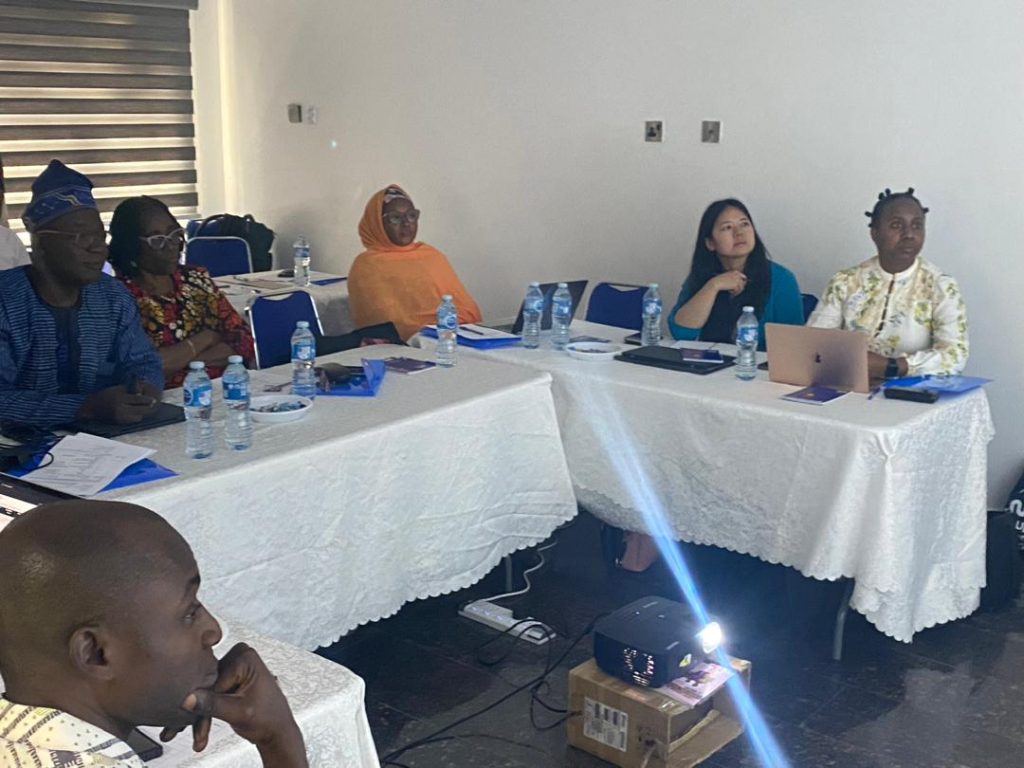
The visit provided an opportunity to review progress, strengthen data-quality systems and better understand the practical realities of implementing vaccine safety surveillance across different clinical settings. In Abuja, the teams reviewed progress across the sites, explored BRAVE data flows and worked through operational and database challenges. Discussions also focused on training, AESI identification, case definitions and opportunities to strengthen the use of electronic health records and digital systems.
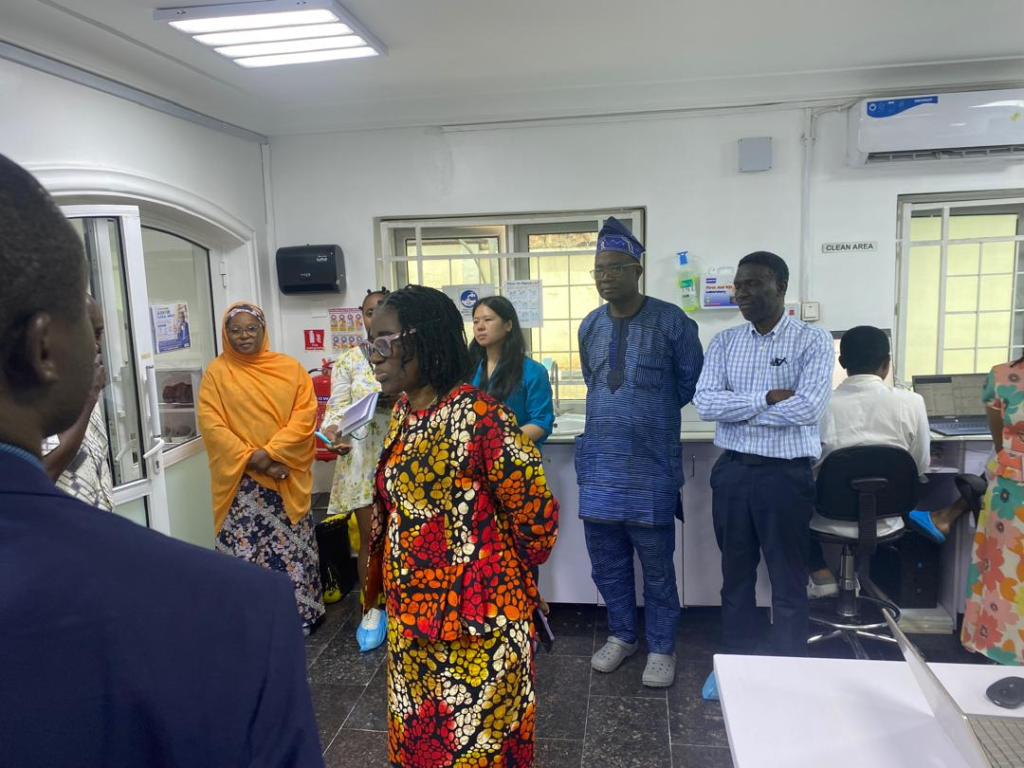
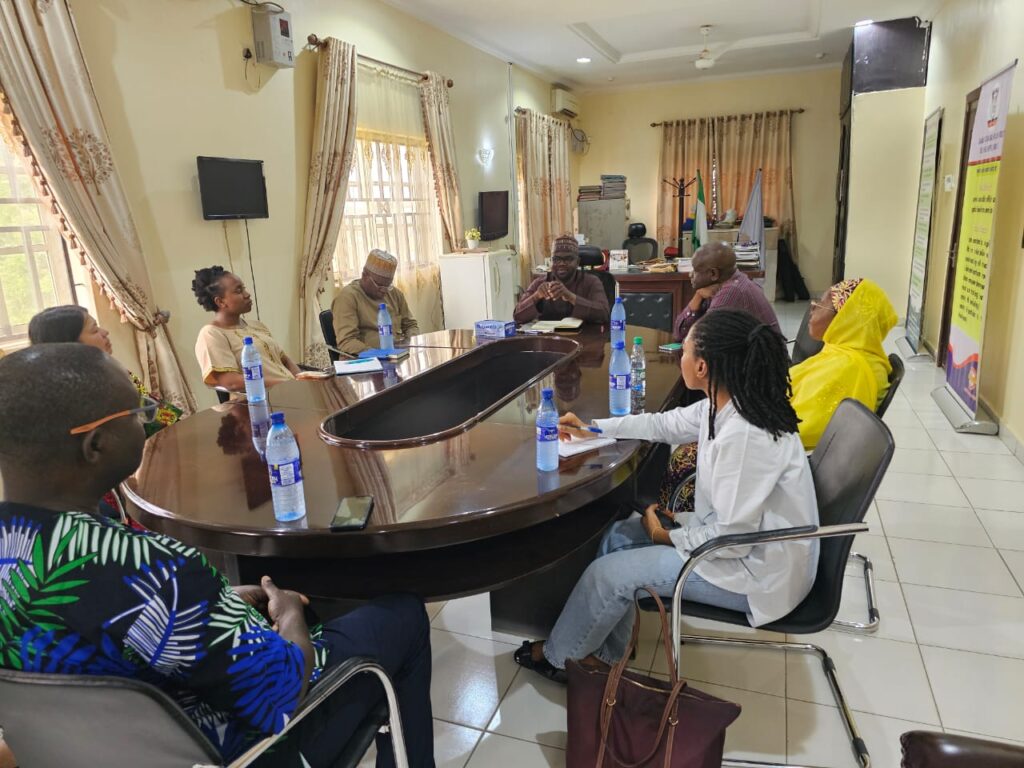
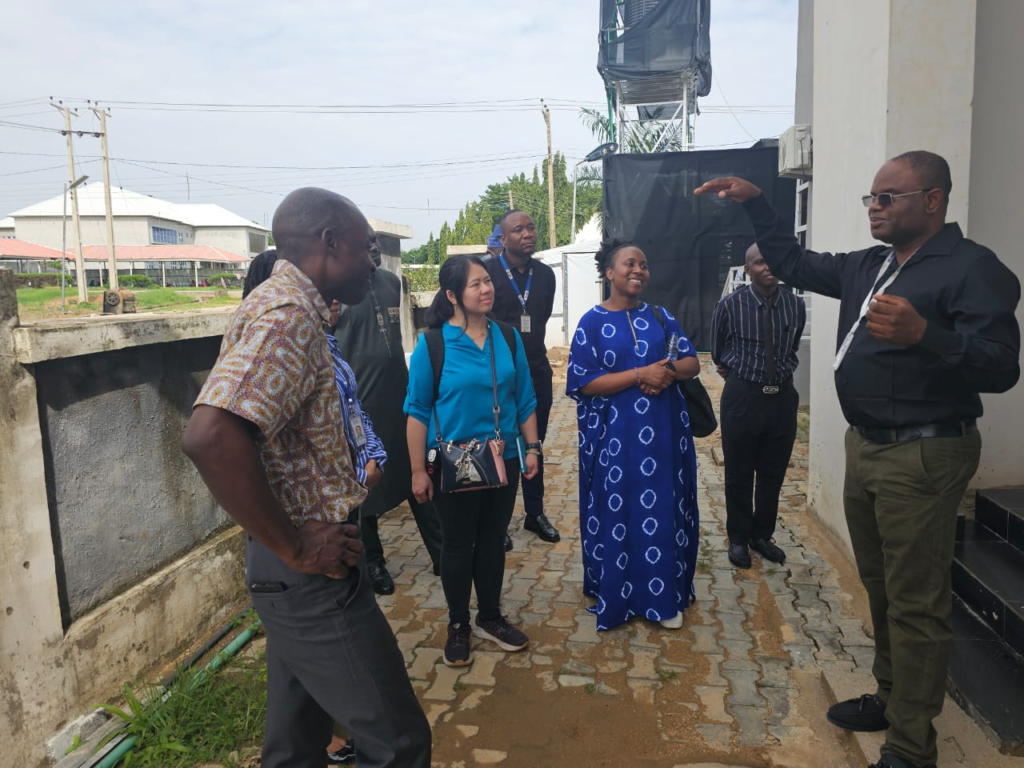
In Bauchi, the team visited ATBUTH, including the Clinical Trial Centre and Lassa Fever Treatment Centre, met with hospital leadership and observed aspects of BRAVE data collection and consent processes. A source document review identified several data-quality questions for follow-up, reinforcing the importance of close collaboration between clinical, research and data teams.
Capacity strengthening was a consistent theme throughout the visit. The Nigerian team highlighted the value of ongoing communication, retraining and real-time query resolution, while identifying opportunities for additional AESI training, pictorial algorithms and further database testing. The visit also provided an opportunity to consider the longer-term sustainability of surveillance activities, including alignment with other research initiatives and engagement with government stakeholders.
Despite operational challenges, including infrastructure constraints, industrial action and complexities around consent, the Nigeria BRAVE teams continue to demonstrate strong commitment to building research capacity and generating high-quality evidence. The visit reinforced an important principle at the heart of BRAVE: strong vaccine safety surveillance is built through sustained partnerships, local expertise and continuous learning.
The BRAVE team looks forward to continuing this collaboration with colleagues across Nigeria and the wider IFAIN network.
Together, we are strengthening the foundations for better vaccine safety evidence in Africa.